Future factory with connected manufacturing processes

Togetr

Togetr Platform: a cloud-based low-code Platform

Togetr platform is a model-based development environment, where adaptability, evergreen application development and microservices are central.

Read whitepaper

Platform

Togetr: accelerate application development

image 13-1

Seamless integration

Togetr enabled seamless integration, even with on-premise services.
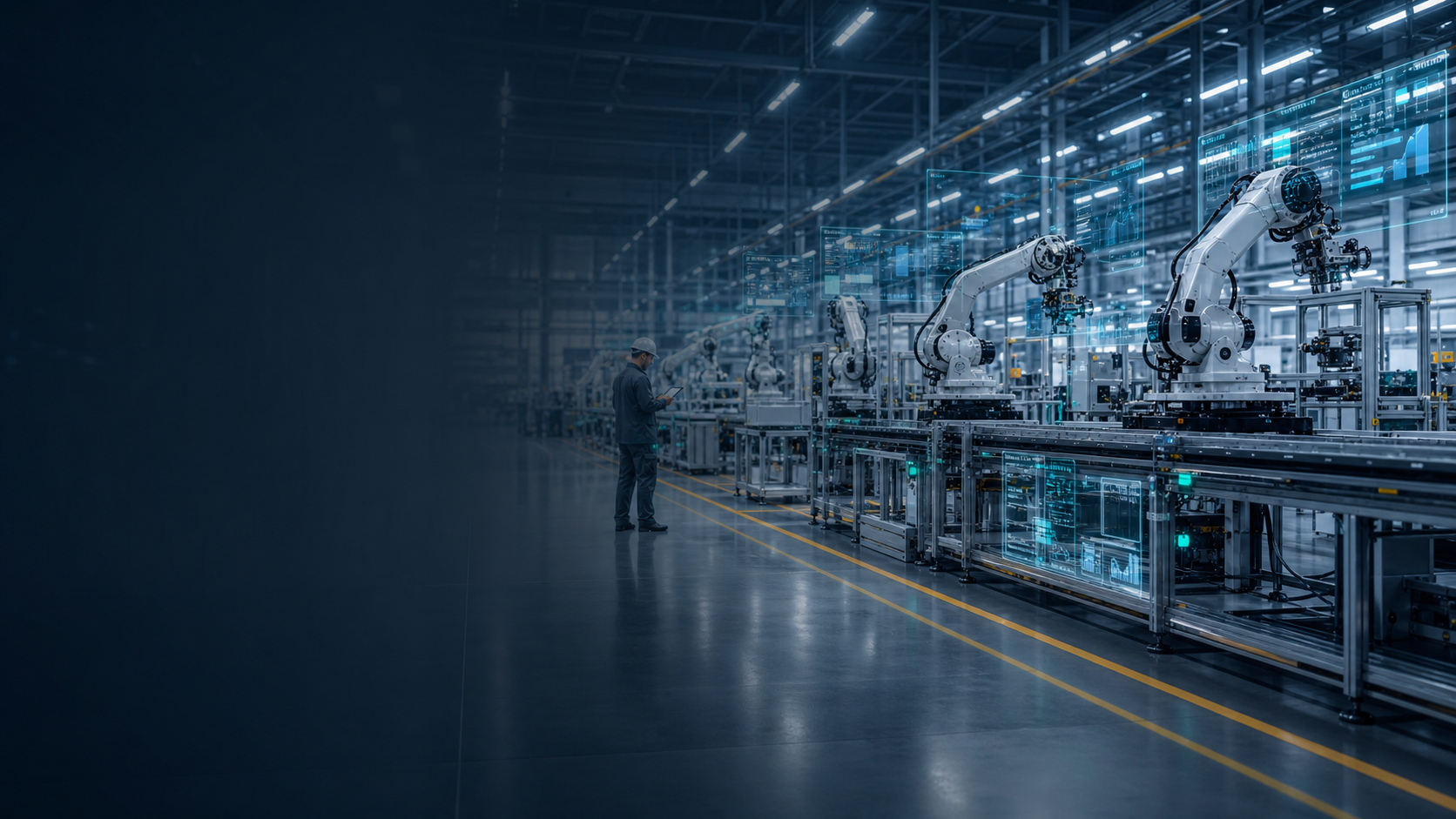
image 12 (1)

Model-driven

Togetr offers a model-driven application development environment. As a result, there is no technological obsolescence.
image 11

Cloud-based

Togetr is designed from the cloud. This means simple and scalable deployment.

Features

Key features of the Togetr Platform

MS Azure based deployment
A self-developed background job server
Vector (5)-1 State-of-the-art web apps using React
Workflow based
Multi-factor Authentication

Cohesion

Togetr platform: new technology and innovation

Artificial intelligence

Togetr applies Artificial Intelligence (AI) to better support decision-making. Both discrete optimization technology and interpretation of data are essential for manufacturing companies. Machine learning, deep learning gives meaning to data. Sensor-based analytics, combined with online discrete optimization in, for example, supply chain planning and product configurator are unique and essential for customers. Clever combining business applications with data provides answers for tomorrow.

Internet of things

Products become services. These products as as service produce data. And data can be used to improve service. Production resources of manufacturing companies also generate a lot of data. Data that can be used by companies to improve logistics performance. Togetr offers Time Series Data combined with Phyton based Machine Learning to ensure better decision making.

Advanced analytics

Applying statistics and mathematical tools to business data offers opportunities for analysis and improvement. In manufacturing, for example, operation managers can use advanced analytics to take a deep dive into historical process data, identify patterns and relationships between discrete process steps and inputs, and then optimize the factors that appear to have the greatest effect on yield.